Henan Yongsheng Aluminum Industry Co.,Ltd.
English
English
Français
Deutsch
Italiano
Русский
Español
Português
Nederlandse
ελληνικά
日本語
한국
العربية
हिन्दी
Türkçe
Indonesia
Tiếng Việt
ไทย
বাংলা
فارسی
Polski
Home
About Us
company profile
Factory Tour
Quality Control
Products
Aluminum Strip Coil
Color Coated Aluminum Coil
Aluminum Foil Roll
Aluminum Sheet Plate
Aluminum Circle Disc
Honeycomb Aluminum
Aluminum Foil Laminated Polyester Film
Aluminum Checkered Plate
Embossed Aluminum Sheet
Anodized Aluminum Sheet
Mirror Aluminum Sheet
Aluminum Foil Container
Events
News
Cases
Blog
Contact Us
Request A Quote
Sorry! This product is no longer available.
Let's see if there are any related products that interest you
Recommended Products
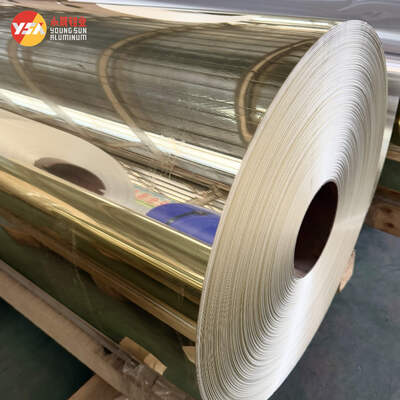
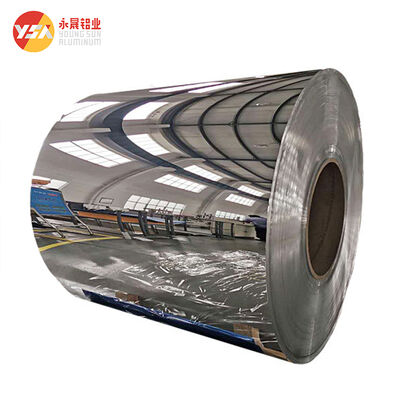
Heat Resistant Mirror Aluminum Sheet 1050 1060 3003 0.3-3mm 200C Reflective Lighting Reflector
Self Cleaning PVDF Mirror Aluminum Sheet 1050 3003 0.3-3mm Weather UV Resistant Cladding
Eco Friendly Mirror Aluminum Sheet Coil 1050 3003 0.3-3mm 85-95% Reflectivity Decorative Panel
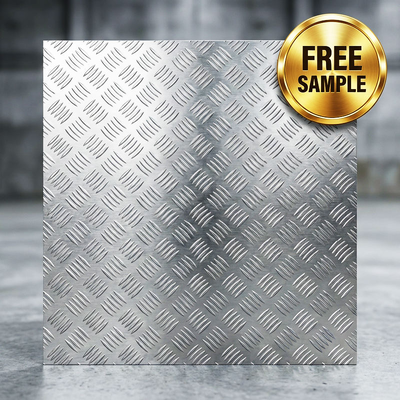
Diamond Embossed Aluminum Tread Plate Sheet 3003 5052 H24 1-6mm Weldable Anti Slip Stock Fast Delivery
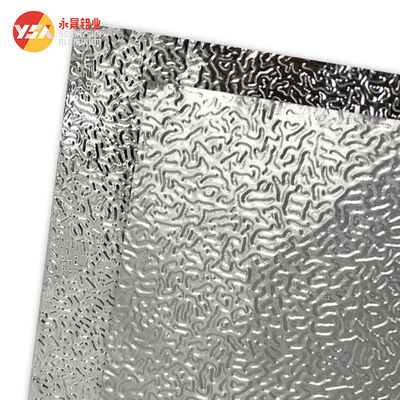
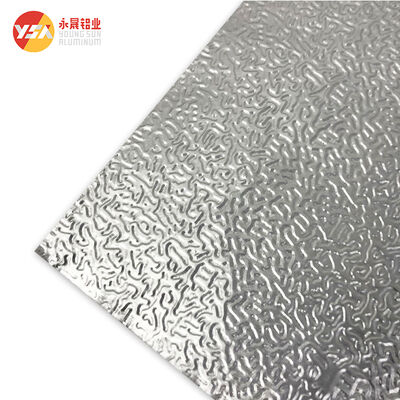
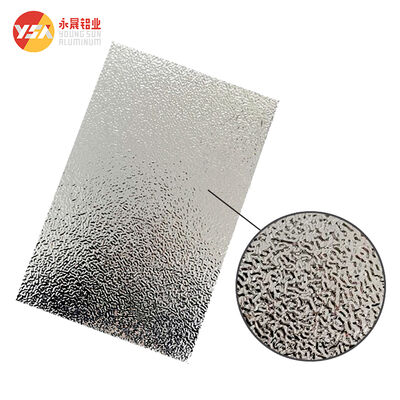
Variant Orange Peel Embossed Aluminum Sheet 1060 3003 H24 0.2-6mm Anti Glare Recyclable Decorative Panel
Classic Orange Peel Embossed Aluminum Sheet 1060 3003 H24 Lightweight Bendable Scratch Resistant Color Coated Panel
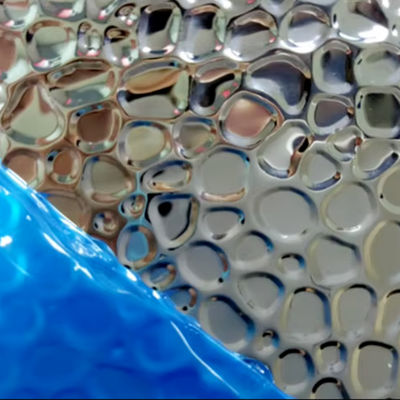
Cobblestone Embossed Aluminum Sheet 3003 5052 H14 0.2-6mm Anti Glare Recyclable Decorative Panel
Anodized Aluminum Sheet 6061 5052 T6 Scratch Resistant Tight Tolerance 3mm Custom Cut Plate
Anodized Aluminum Sheet 1050 3003 5052 H14 20 Micron UV Resistant 1220x2440mm Facade Plate
Orange Peel Aluminum Embossed Aluminum Sheet 1500mm Decorative Panel for Ceiling Feature Wall
Anodized Aluminum Sheet 1050 3003 5052 H14 1220x2440mm 4x8 Custom Size Decorative Plate
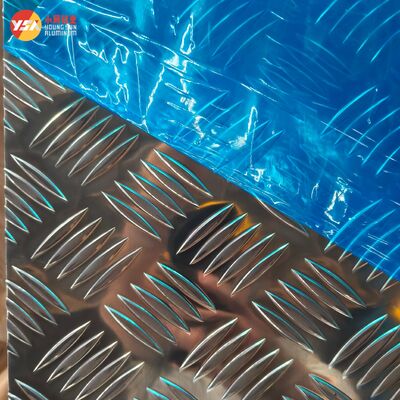
Anti Slip 5 Bar Embossed Aluminum Tread Plate 3003 H14 Marine Grade for Trailer Flooring Loading Ramp
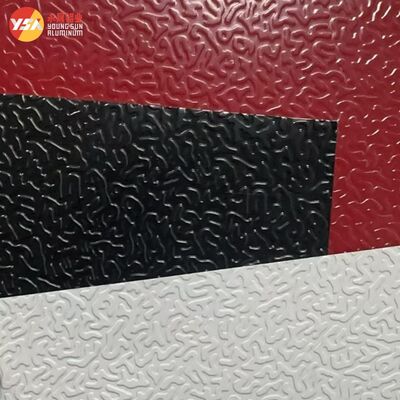
Color Coated Stucco Embossed Aluminum Sheet PVDF 25 Micron Corrosion Resistant 0.2-3mm for HVAC Jacketing
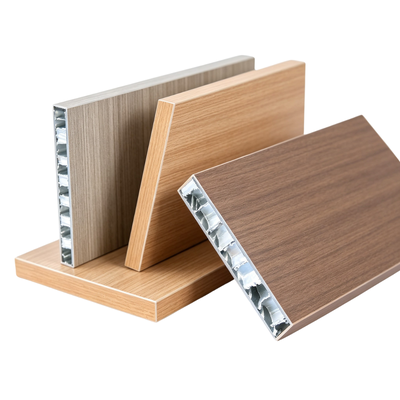
Thermal Insulating Aluminum Honeycomb Panel 3003 Core Soundproof Energy Saving A2 Fireproof Facade Panel 7-50mm
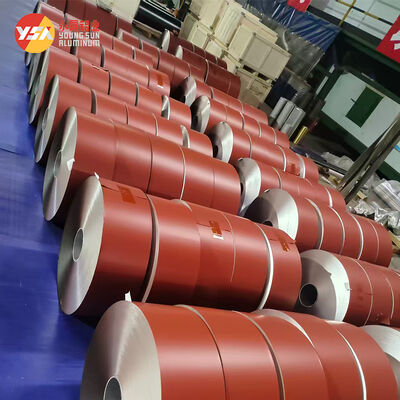
PVDF Color Coated Aluminum Coil 25 Micron 20 Year Warranty Anti Corrosion Weather Resistant 0.2-6mm
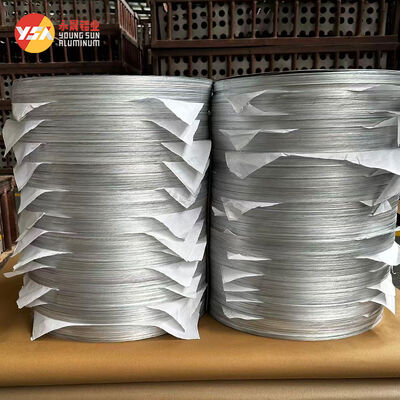
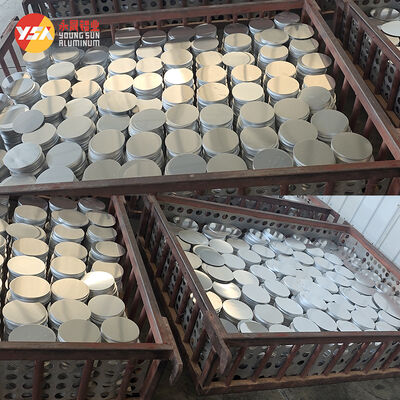
1050 3003 Aluminum Circle Disc O H12 Temper Deep Drawing 0.3-6mm Custom Diameter High Flatness Cookware Blank
Recyclable Smooth Surface Aluminum Circle Disc 1050 3003 Alloy Uniform Heat Conduction Free Sample Cookware Blank
Color Coated Aluminum Foil Roll PE Coated Lacquered Pre-Coated 8011 3003 Alloy 0.02mm Custom Width
Pharmaceutical PTP Aluminum Foil Roll 8011 8079 8021 Alloy 0.02mm Easy Peel Child Resistant Blister Packaging
Lithium Battery Aluminum Foil Roll 1060 1235 Alloy 0.012mm 0.02mm High Conductivity Cathode Current Collector